
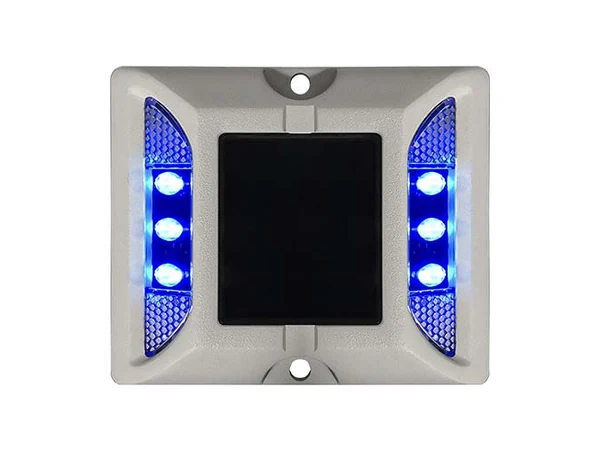
NK-RS-A6-1
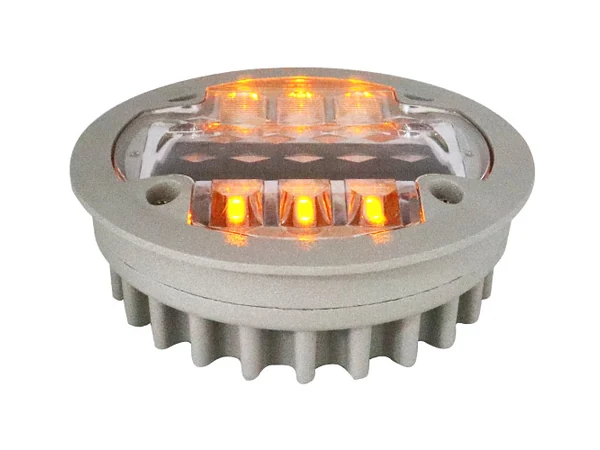
Aluminum Solar Road Stud
- Housing
- Aluminum + PC
- Dimensions
- 125 × 107 × 26 mm body
- Load capacity
- >30 t
PRODUCT CENTER
Explore solar-powered road studs for highway safety, traffic guidance, and road marking projects. Compare different designs, materials, dimensions, and optical configurations.
Manufacturer Since 2001 | OEM & ODM | Technical Support | Global Supply
NK-RS-A6-1
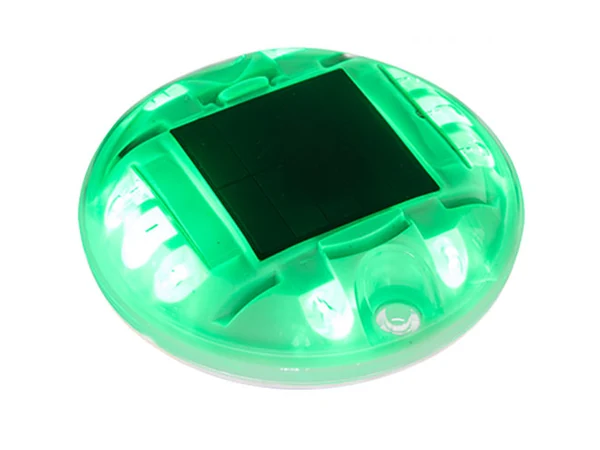
NK-RS-K1
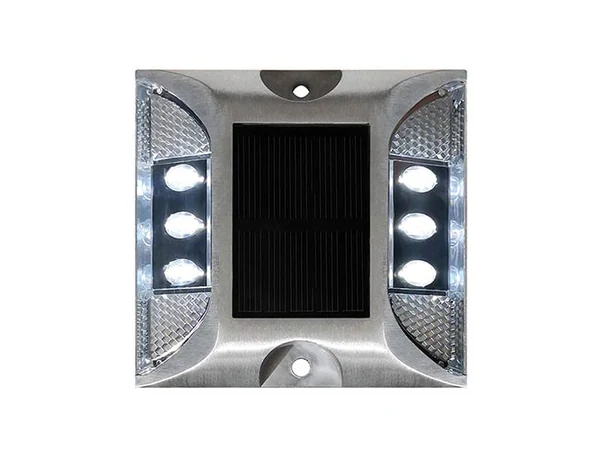
NK-RS-D1
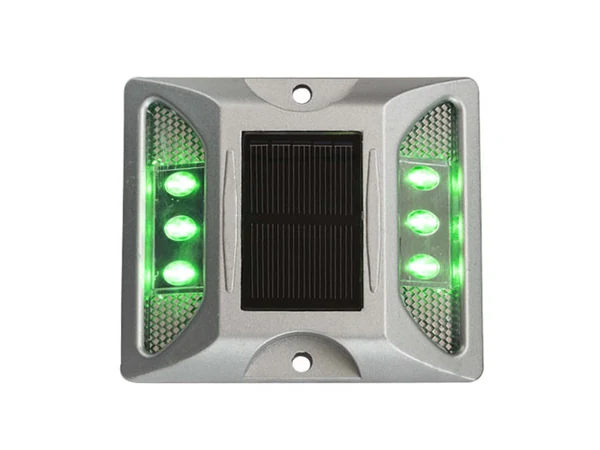
NK-RS-A6B
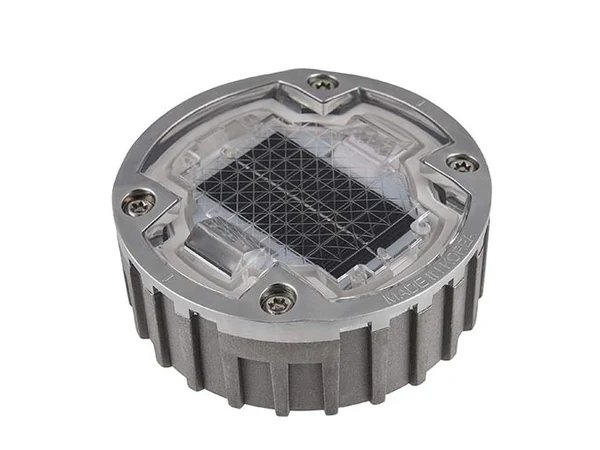
NK-RS-X6
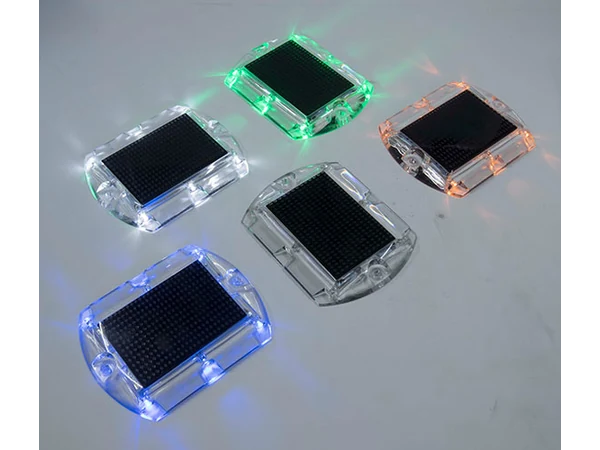
NK-RS-Q7
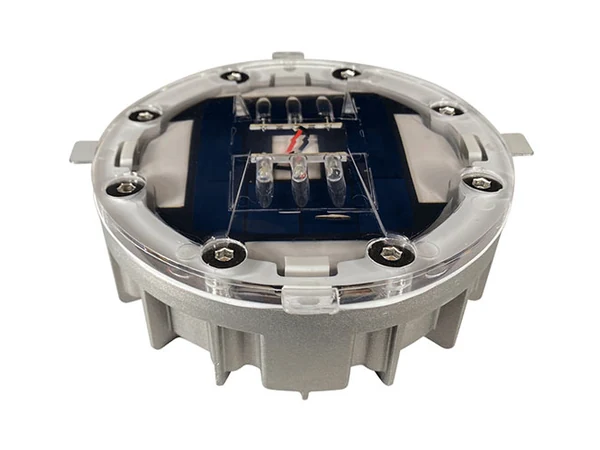
NK-RS-X5
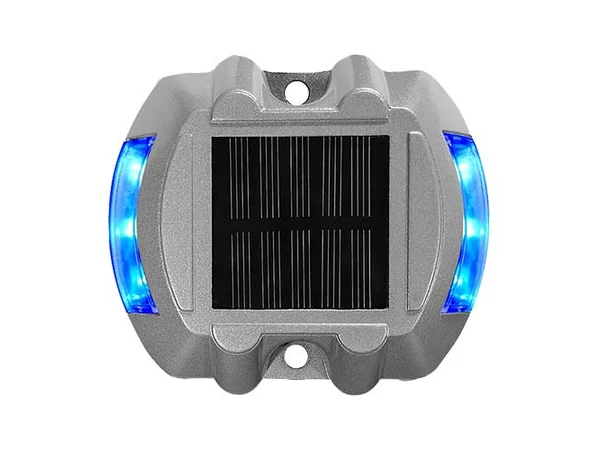
NK-RS-A1
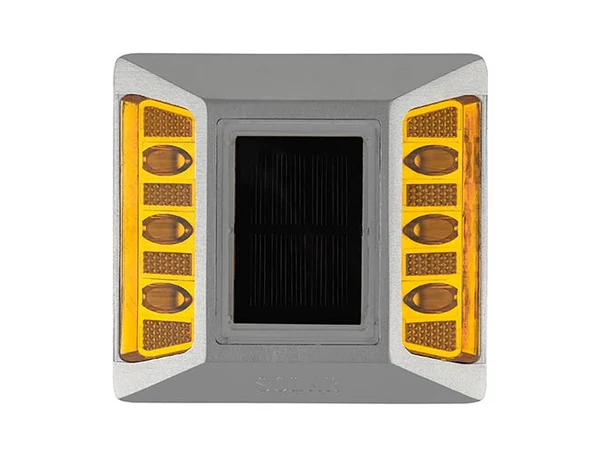
NK-RS-A6
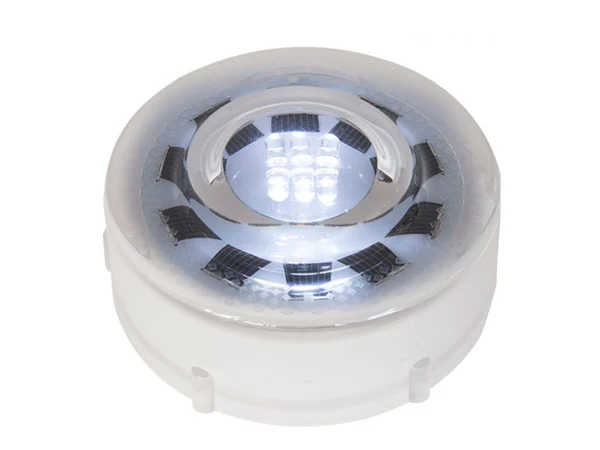
NK-RS-A7
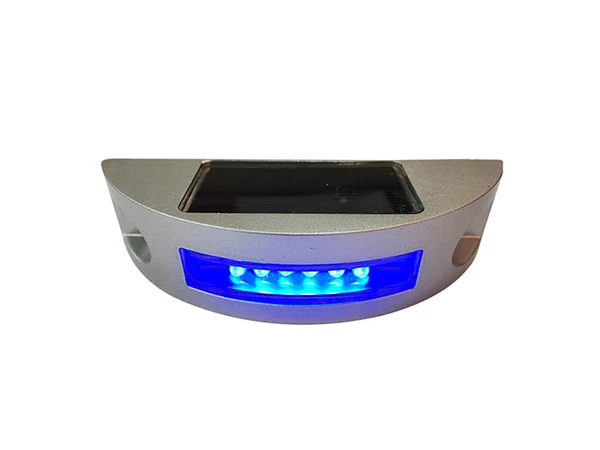
NK-RS-T1
NK-RS-A10
APPLICATION GUIDE
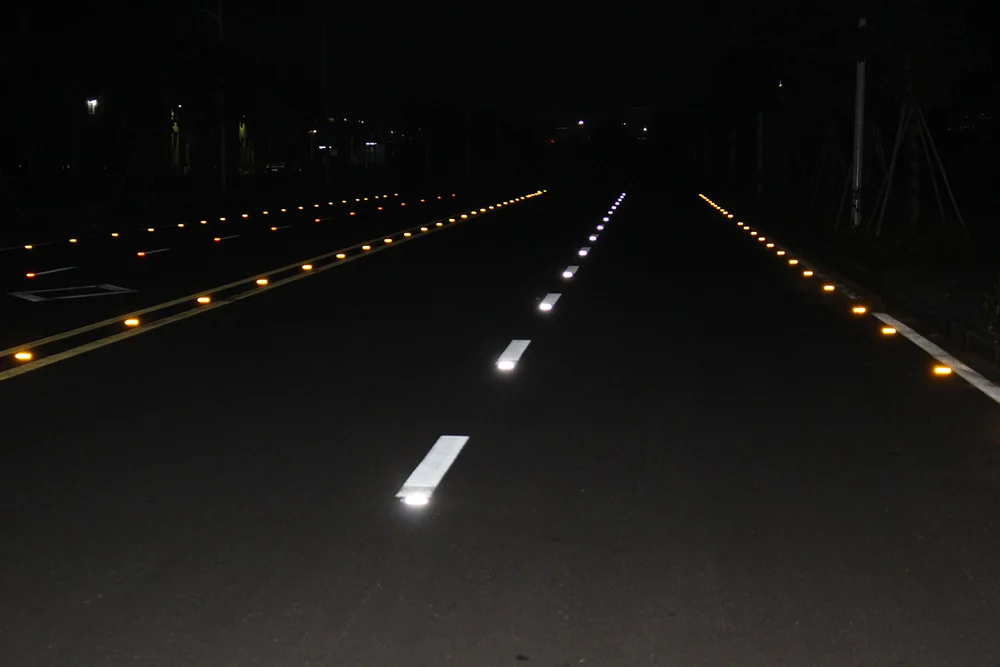
Define lane-edge guidance, traffic direction and the intended optical arrangement.
Explore application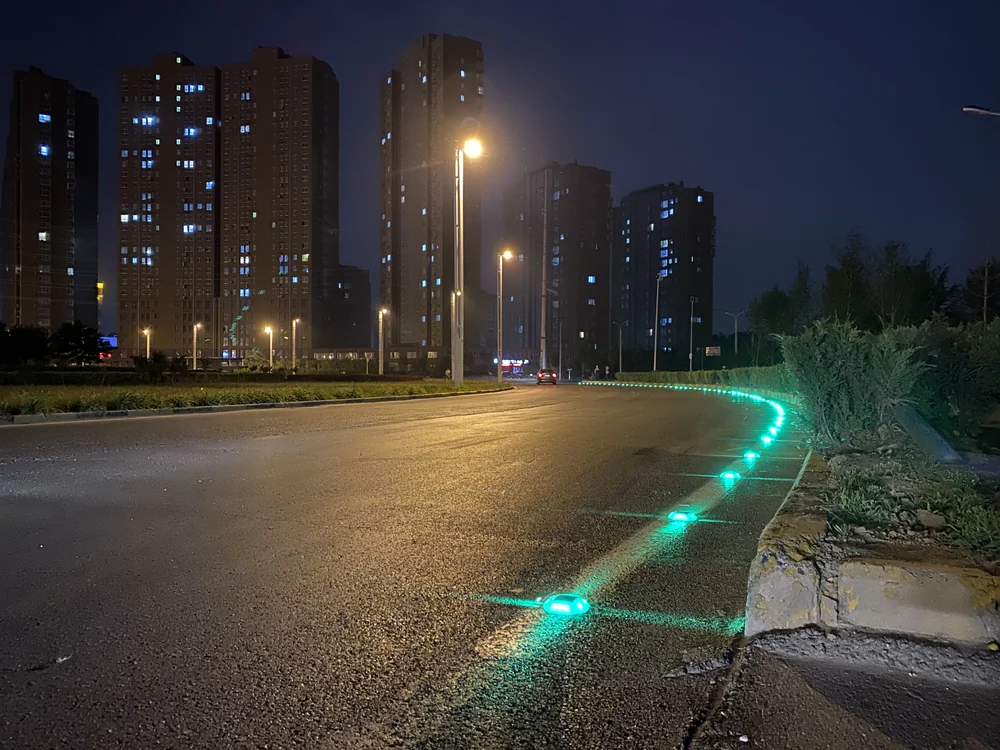
Review junctions, crossings, installed projection and maintenance equipment.
Explore application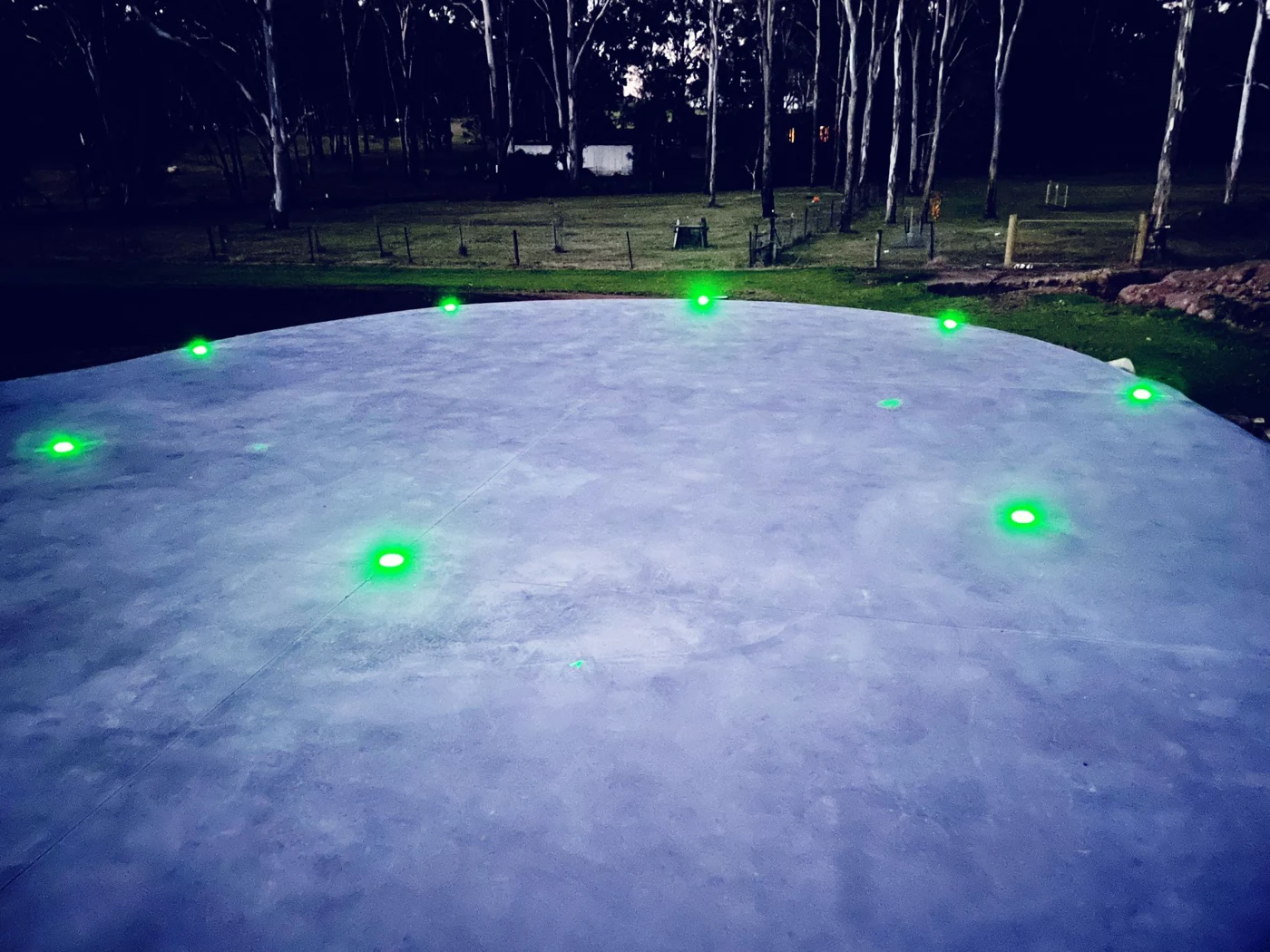
Consider bay boundaries, turning points and mounting positions in low-speed areas.
Explore application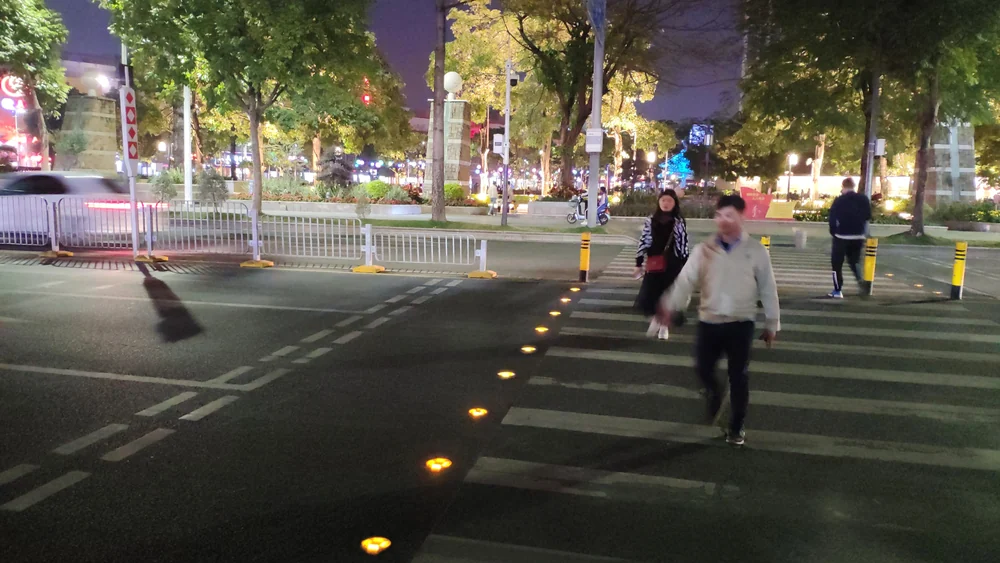
Consider pedestrian movement, crossing visibility and installed surface profiles.
Explore application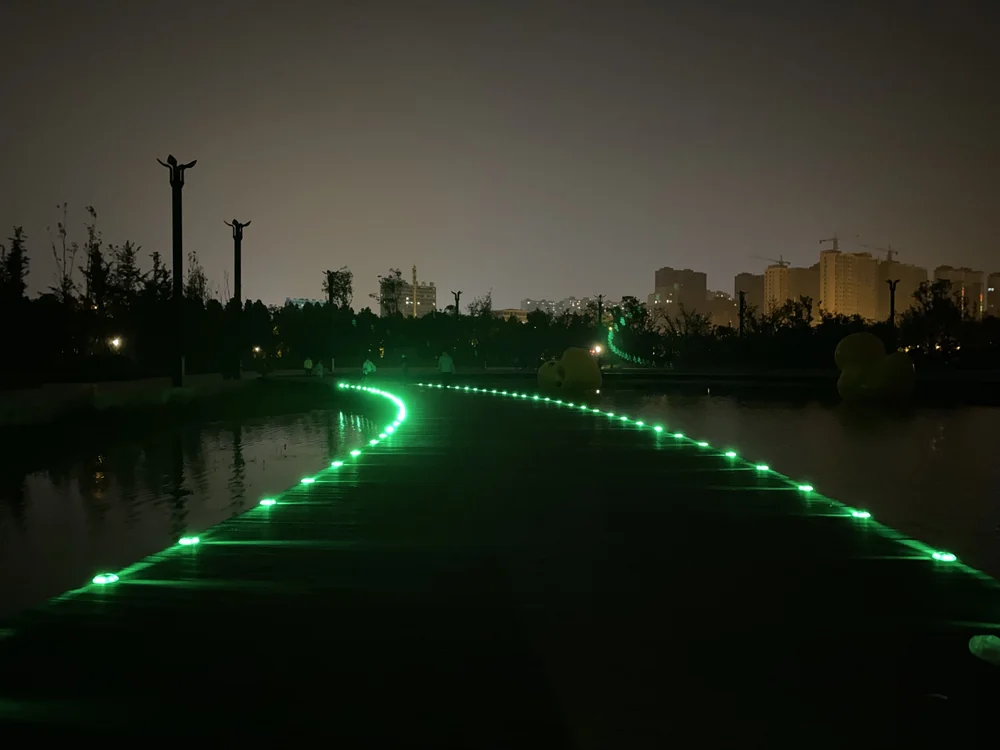
Review walkway edges, pedestrian access and the surrounding lighting conditions.
Explore application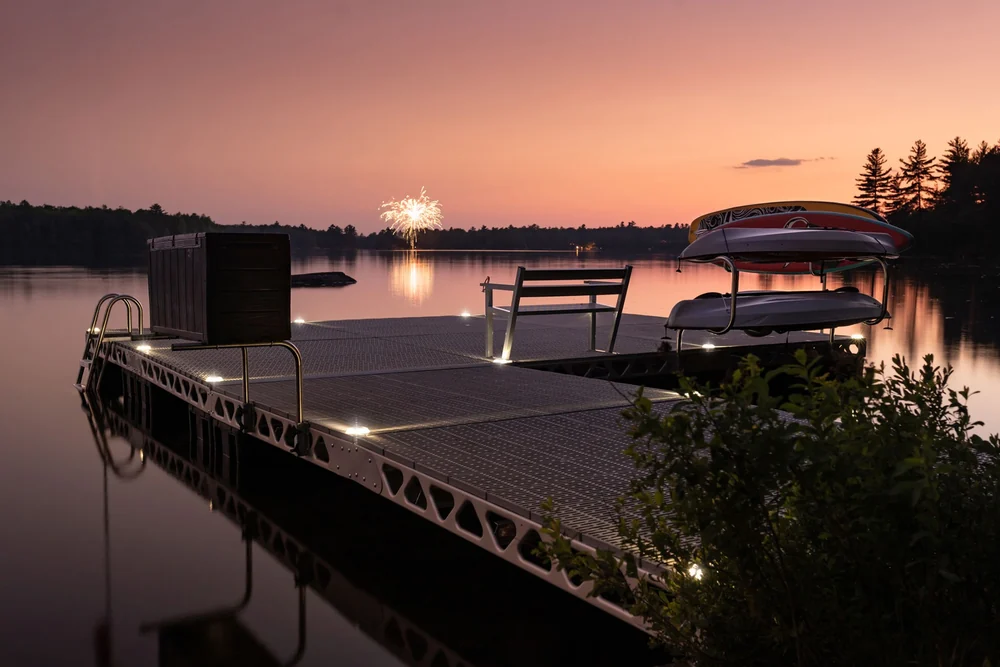
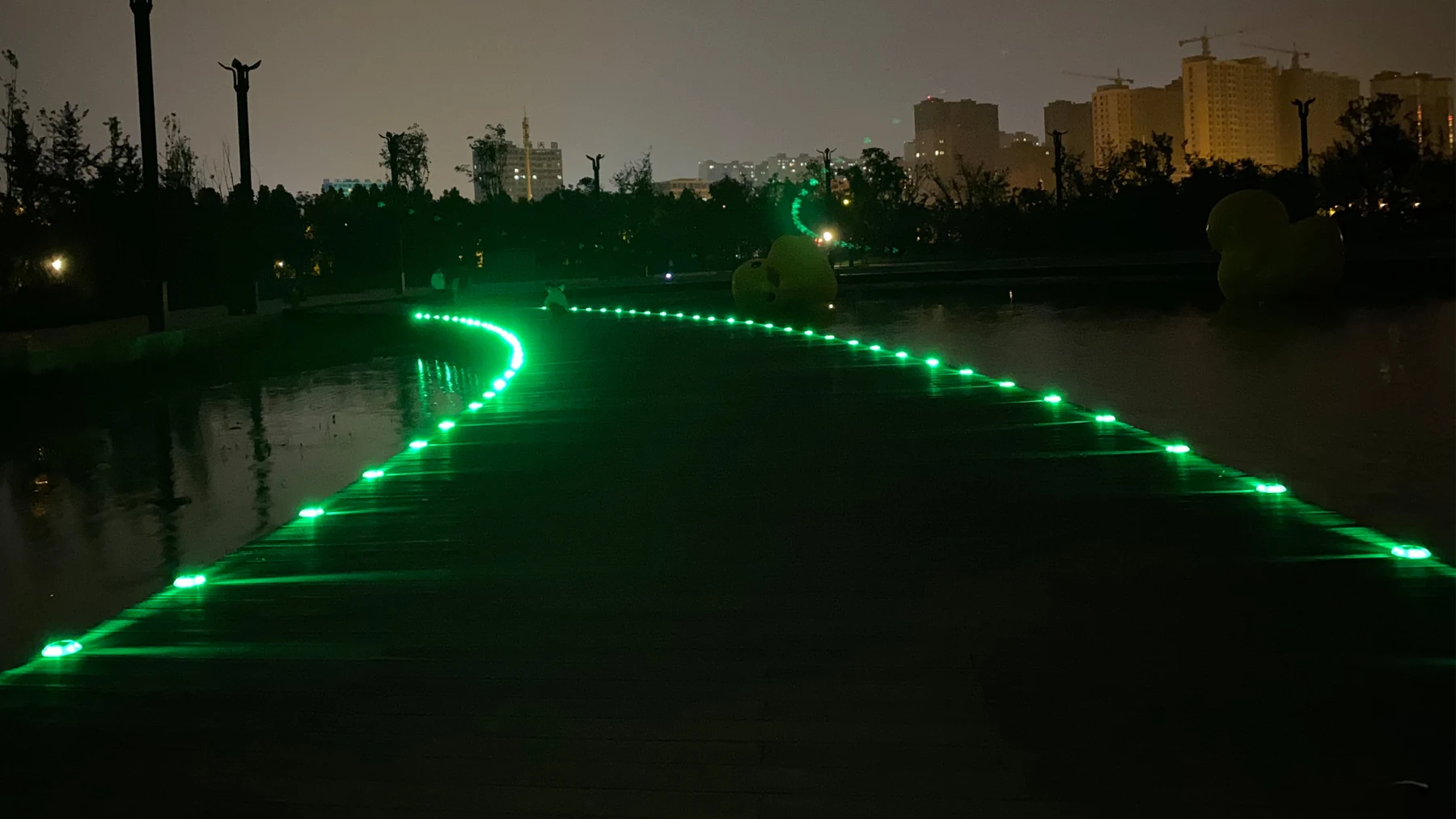
Assess waterfront exposure, walking routes and mounting requirements.
Explore applicationDistinguish passive retroreflection from active LED illumination. Specify the direction and color of each optical face.
Compare overall dimensions, installed projection and fixing requirements against the road specification.
Match the quoted model and configuration to its drawing and applicable test documentation.
QUALITY & TRUST

Review housing materials and components against the selected model specification.
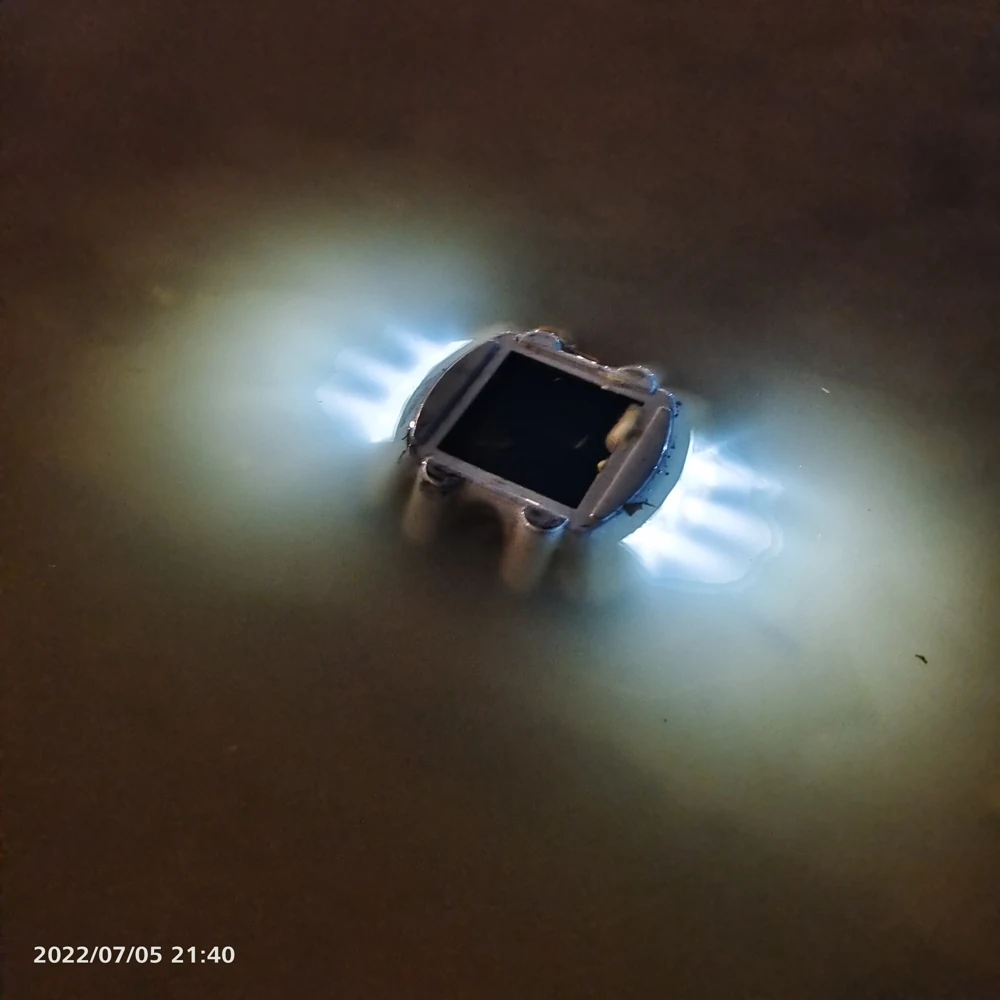
Check the ingress-protection report, tested configuration and conditions for the quoted model.
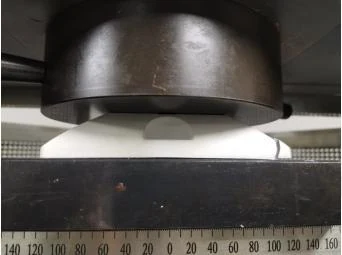
Review model-specific load test methods and results against the project requirements.
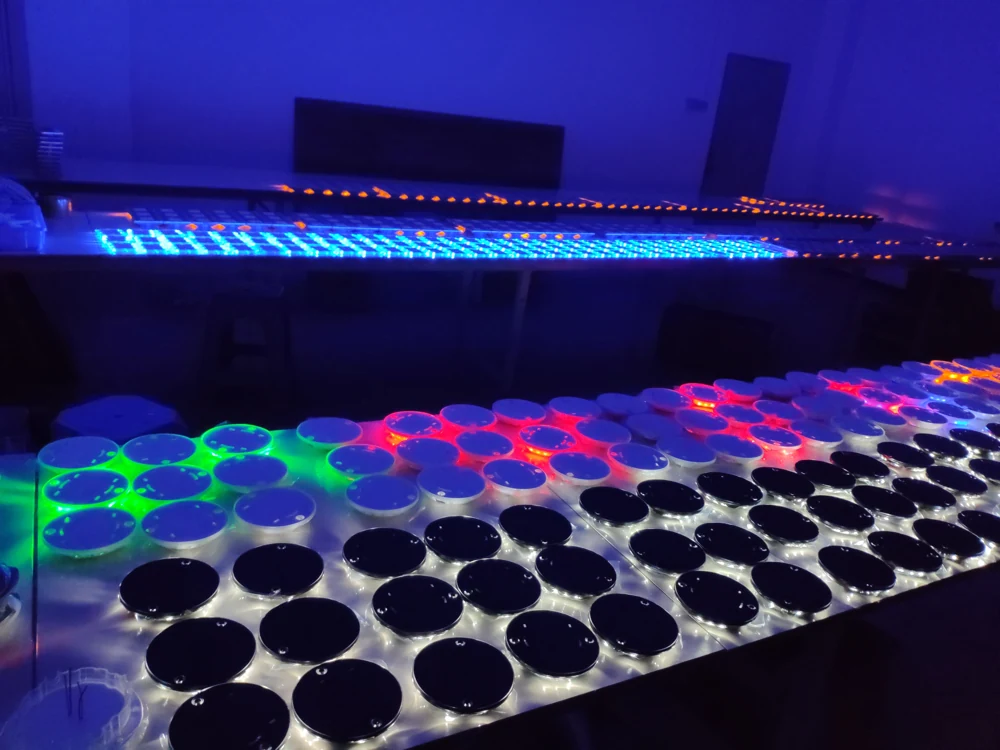
Compare LED operation or reflector performance with the specified optical arrangement.
Solar Road Studs – Frequently Asked Questions
Solar road studs are traffic safety devices designed to improve road visibility at night and in low-light conditions. They use integrated solar panels to collect and store energy during the day. Built-in sensors automatically activate the LED lights when ambient light decreases, helping drivers identify road boundaries, lanes, and potential hazards.
Solar road studs use LED lights powered by solar energy to provide active illumination, while reflective road studs rely on vehicle headlights to reflect light back toward drivers. Solar road studs are suitable for locations requiring additional nighttime visibility, whereas reflective road studs offer a simpler solution for conventional road marking applications.
Road studs are commonly manufactured using aluminum alloys, engineering plastics, and other durable materials. Aluminum road studs are often selected for projects requiring robust housing structures, while plastic road studs offer lightweight construction. The right material depends on installation conditions, traffic loads, environmental exposure, and project specifications.
Choosing the right solar road stud requires evaluating several factors, including installation location, housing material, dimensions, load capacity, waterproof rating, LED color, and mounting method. For highway and heavy-traffic applications, load-bearing performance and structural durability are particularly important. We recommend matching product specifications to your local road standards and project requirements.
The required load capacity depends on traffic volume, vehicle types, installation position, and pavement conditions. Roads exposed to heavy trucks and frequent vehicle traffic may require higher-load-capacity models. Always check the manufacturer's tested load specifications and ensure the selected road stud is suitable for the intended application.
Solar road studs can be installed using surface-mounted or embedded methods, depending on the product design. Surface-mounted models are generally secured using suitable adhesives or mechanical fixing systems, while embedded models require prepared openings in the pavement. Proper surface preparation, positioning, sealing, and curing are essential for reliable installation. Always follow the manufacturer's installation instructions.
IP68 is an ingress protection rating indicating a high level of protection against dust and water immersion under specified test conditions. For solar road studs installed outdoors, waterproof performance is important because they are exposed to rain, moisture, and changing weather conditions. Buyers should check the manufacturer's test documentation and confirm that the rating applies to the complete assembled product.
Yes. Professional road stud manufacturers may offer OEM and ODM services based on project requirements. Customization options can include product dimensions, housing materials, LED colors, optical configurations, branding, and packaging. Buyers can provide technical drawings, target specifications, or application details to discuss suitable product solutions, samples, and bulk production.
START YOUR INQUIRY
Share the road conditions, target model and quantity. Start a clear specification discussion with NOKIN.
PROJECT INQUIRY